


Wellness Tools for Your Personal Journey — Without Guesswork
Observe. Organize. Learn. Choose Your Next Meaningful Step.

You do not need to solve everything at once.
This resource hub helps you notice patterns, organize useful information, support your foundations, and prepare better questions for Wendy or your healthcare team.
Your symptoms, genetics, labs, nutrition, environment, daily habits, and personal story are connected—but not every person needs the same tools or path.
Begin With the Foundations
Before adding more complexity, consider the foundations that help your body manage everyday demands. Your appropriate starting point may include hydration, nourishment, sleep, gentle movement, nervous-system regulation, environmental awareness, or support from a qualified professional.

Products and supplements may be useful tools when appropriate, but they are not required to begin and should not replace individualized medical care.
Turn Waiting Time Into Observation Time
Waiting for an appointment, test result, or next decision does not have to be idle time. Simple, consistent observations can reveal useful patterns and make future conversations more productive.

Nutrition and Daily Patterns
Use Cronometer or another appropriate tool to observe food, nutrients, hydration, energy, and daily patterns.

Environment and Exposures
Note patterns involving air, water, mold, home, workplace, travel, weather, products, or other environmental influences.
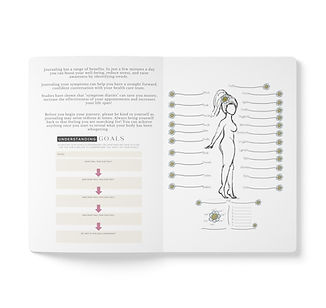
ReThink ReLeaf Journal
Use a printed journal when paper-based tracking and reflection feel more natural.
Use ChatGPT or another appropriate AI tool to organize observations, questions, and personal notes. State clearly that AI should not diagnose, replace medical care, or make unsupervised treatment or medication decisions.
Choose the tool that fits your comfort, access, goals, and budget.
The purpose is useful observation—not perfect tracking.

Explore Educational Guides
The Clicks for a Cause guide library offers educational articles about genetics, nutrition, environmental health, complex illness, family wellness, symptom tracking, and the ReThink ReLeaf Method.


Featured Guides

Information Should Answer a Meaningful Question
Genetics and laboratory information can be valuable when they help answer a specific question or change the next step. More testing is not automatically better.
Wendy’s approach may consider:
-
Genetics
-
Existing labs
-
Symptoms and timeline
-
Nutrition and daily patterns
-
Environment and exposures
-
Medications and supplements
-
Family and health history
-
Personal goals, preferences, readiness, and budget
Genetics informs the roadmap; it does not diagnose disease or determine destiny.
Trusted Support
Sometimes the Next Step Is
Meeting the Right Partner
When another practitioner, organization, educator, product, course, or community resource fits your roadmap, Wendy may make an intentional introduction. A trusted-partner introduction should have a clear purpose and should never feel like abandonment or a random referral.
Why I Created These Tools
Hi, I’m Wendy.
My experience with chronic pain, brain fog, nutrient concerns, hair loss, mood changes, and unexplained symptoms taught me how overwhelming it can feel when pieces of the story remain disconnected.
That experience led me to explore symptom tracking, food journaling, genetics, environmental influences, foundational wellness, education, and collaborative care.
Today, I help people organize what they are experiencing, recognize meaningful patterns, ask better questions, and identify a manageable next step. My role is not to diagnose or replace your medical team. It is to help you feel heard, better informed, and less alone while navigating your options.
