


Understanding PANDAS and PANS: A Comprehensive Guide for Concerned Parents
Updated: Oct 31, 2025
Eye-Opening Insights for Parents
Seeing your child experience abrupt behavioral changes can be distressing. If your child suddenly develops tics, anxiety, obsessive thoughts, mood swings, or regression after an illness, it's vital to know you are not alone. These changes are not mere phases, and your child is not just "acting out." They might be experiencing symptoms of PANDAS (Pediatric Autoimmune Neuropsychiatric Disorders Associated with Streptococcal infections) or PANS (Pediatric Acute-onset Neuropsychiatric Syndrome), both linked to immune-driven brain inflammation.
In this guide, we will break down what PANDAS and PANS are, how they affect your child, the genetics behind their predisposition, and practical steps to provide support during this difficult time.
Understanding the Mechanism
PANDAS and PANS are conditions where the immune system reacts inappropriately, leading to brain inflammation.
PANDAS: Triggered by Strep Infection
PANDAS occurs when a strep throat infection causes the immune system to mistakenly attack brain tissue. This can lead to symptoms such as:
Sudden onset of obsessive-compulsive behaviors, experienced in 80% of diagnosed cases.
Declines in academic performance, seen in 60% of children affected.
Increased unexplained mood swings, present in nearly all diagnosed cases.
For instance, if your child suddenly refuses to attend school due to overwhelming anxiety, it might be a symptom of PANDAS.
PANS: Broader Triggers
PANS can be triggered by not only infections but also environmental toxins and extreme stress. The common outcomes are similar, resulting in brain inflammation that disturbs normal behavior and cognitive functions. For example, children may develop severe anxiety and fearfulness after battling a viral infection or during a stressful life event.
Understanding Behavioral Changes
It’s crucial to recognize that your child’s sudden and distressing behavioral changes are medical symptoms, not reflections of their character or your parenting. They require understanding and support. Children living with these issues need compassion rather than judgment.
The Genetic Connection
Each child reacts differently to illnesses, toxins, and stressors, largely due to their genetic makeup. Understanding your child's genes can reveal why they may be more vulnerable to PANDAS and PANS.
Essential Genetic Pathways
MTHFR / MTRR: These genes assist in detoxification. Dysfunction can slow toxin removal, making your child more sensitive to stress. For instance, if your child has MTHFR mutations, they might struggle with irritability after consuming artificial additives.
COMT / MAOA: These genes are central to mood regulation. Problems here can contribute to emotional outbursts and trouble concentrating, with studies indicating that mutations can lead to an increase in anxiety symptoms.
CBS / SUOX: These genes handle sulfur and ammonia levels. If they malfunction, symptoms can arise such as chronic pain and irritability, which might manifest as sudden outbursts or withdrawal.
SOD2 / GST: Relevant for managing oxidative stress, issues with these genes may make your child susceptible to environmental chemicals. For example, children with these sensitivities may react strongly to household cleaners or certain foods.
By grasping these genetic factors, you can customize your child’s nutrition and support strategies to address their unique needs.
Need testing or want deeper RAW data analysis from a Practitioner?
Sign up for a membership to connect with me and share your results. Sign up with this link:

Steps to Facilitate Calm and Recovery
When dealing with PANDAS or PANS, proactive steps are essential for support.
Step 1: Remove Environmental Triggers
Eliminate common potential triggers in your child’s surroundings. Focus on:
Removing artificial dyes and fragrances
Avoiding processed foods that might contain unhealthy additives
Reducing exposure to BPA- plastics and mold
Creating a healthier living environment can significantly support your child’s immune function and mental well-being.
Step 2: Restore Calm in Daily Life
Once triggers are minimized, enhance your child’s daily routine by focusing on:
Sleep: Ensure restful sleep with a consistent bedtime. According to sleep studies, children who get less than eight hours of sleep nightly show a 30% increase in behavioral issues.
Hydration: Encourage drinking adequate water (spring) daily, as dehydration can lead to irritability.
Balanced Diet: Incorporate protein-rich foods such as lean meats and nuts. This helps stabilize mood and energy, combating fatigue.
Additionally, consider gentle alternatives like magnesium baths or Epsom salt soaks to enhance relaxation and soothe stress responses.
Step 3: Focus on Cellular Support
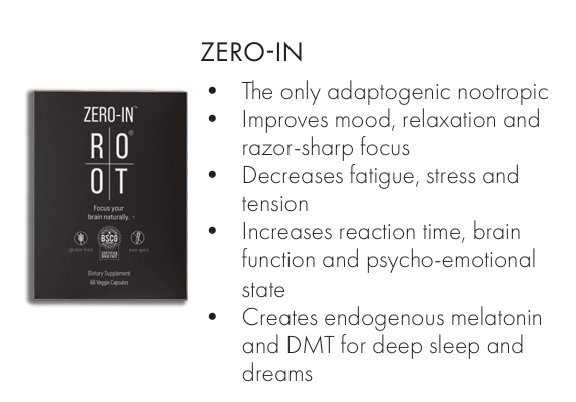
Utilize gentle, reputable remedies like the Trinity Pack (Foundational support) Dr. Christina Rahm’s ROOT Wellness formulations designed for detox and repair. Avoid drastic cleanses; gentle daily support is key to rebuilding your child’s cellular health without overwhelming their system.

Step 4: Document Behavioral Patterns
Keep a record of changes in your child's behavior along with any illnesses or stressors. This log provides essential insights for healthcare providers and can assist in diagnosing PANDAS or PANS more accurately.
The Importance of Professional Guidance
If you suspect your child is affected by PANDAS or PANS, consulting with a qualified healthcare provider is crucial. Look for professionals knowledgeable about these conditions.
Finding the Right Professional
Seek out practitioners who focus on functional medicine or integrative health. These experts can guide you through dietary adjustments, supplements, and other supportive treatments specific to your child’s condition.
Building a Supportive Network
Facing the challenges of PANDAS and PANS can feel isolating. Connecting with other parents who share similar experiences can provide emotional solace and practical advice.

Engaging in Support Communities
Join local or online support groups dedicated to PANDAS and PANS. These communities are valuable resources for sharing advice, experiences, and encouragement, often providing a sense of camaraderie during a difficult journey.
Final Thoughts for Healing
Understanding PANDAS and PANS is the first vital step in supporting your child. Recognizing their symptoms and the underlying causes can empower you to take effective actions.
With the right guidance and community support, you and your child can navigate these challenging conditions together, working towards a happier and healthier future.
Remember, a combination of compassion, understanding, and proactive efforts will be instrumental in helping your child regain stability and well-being. Together, you can restore balance in their life and foster hope for the future.
☕ Need to Talk Through Testing, Symptoms, or Where to Start?
Sometimes you just need a real conversation — someone who’s been there, understands genetics and environment, and can point you toward your next step with clarity.
You can:💬
Book a Holistic Health & Wellness Overview — personalized insight + action plan
Need direction but not ready for a full consult?
☕ Buy me a coffee for $5 and get 15 minutes of focused clarity on testing or next steps. —
💚 Final Words
You can’t heal what you don’t understand — but once you do, everything changes.
Your child isn’t broken. Their body is simply asking for balance.
“When you calm the terrain, the brain can finally rest.” — Wendy Jean Schell, FGP | HHWC | FN | Advocate




Comments